
Understanding Twist in Textiles
Twist is a measure of how tightly a yarn is twisted, directly affecting the hand feel, appearance, and performance of the fabric. Low twist is soft and fluffy, while high twist is stiff and smooth.
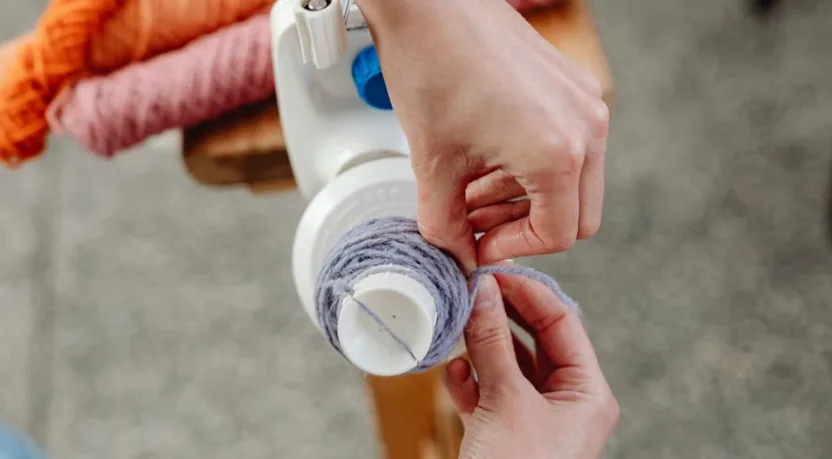
How to Understand "Twist"?
You can imagine it like twisting a rope. A sliver of cotton or wool, when twisted (turned in one direction), becomes a strong yarn. Twist is the measure of how tightly this yarn is "twisted," usually expressed in "twists per meter" or "twists per inch," i.e., the number of turns per meter or inch of length. This "rope-twisting" force directly affects the character of the yarn and fabric. To help you understand better, think of twist as a "personality adjuster."
Different Levels of Twist Bring Different Characteristics.
| Characteristic | Low Twist (Twisted Loosely) | High Twist (Twisted Tightly) |
|---|---|---|
| Hand Feel | Soft, fluffy, and smooth. Like freshly fluffed cotton, it feels comfortable to touch. | Stiff, smooth, and crisp. It makes a "rustling" sound when touched, giving a crisp sensation. |
| Appearance | More hairiness, soft and matte luster on the fabric surface. The yarn looks a bit "plump." | Less hairiness, smooth and slightly linen-like surface. The yarn looks "slimmer" and more compact. |
| Performance | Good moisture absorption, but prone to pilling and slightly less wrinkle-resistant. | High strength, abrasion-resistant, wrinkle-resistant, but breathability slightly decreases, and moisture absorption is also a bit lower. |
Industry Reference Twist Ranges (Spun Yarns)
Low Twist: 200-400 T/M, fluffy and soft, commonly used for cotton-like, washed crepe fabrics
Fluffy, cotton-like, crepe effect; disadvantages: lower strength, prone to pilling; suitable for washed crepe styles.
Normal Twist: 450-700 T/M, conventional woven fabrics
Balanced, suitable for mass production; shirts, pants, home textiles; balances strength and hand feel.
High Twist: >800 T/M, strong twist, crepe de chine, double crepe fabrics
Dry hand feel, creates crepe effect; double crepe, georgette, strong crepe styles. Note: ordinary chiffon on the market is not the same as georgette; georgette must be strongly twisted to create crepe, while ordinary chiffon is untwisted DTY plain weave.
What Does T800 Generally Refer to in China?
It refers to DTY textured yarn, which is twisted, but its elasticity does not come from twist!
In What Scenarios is Twist Specification Commonly Used?
Twist specification is not commonly seen in daily life, but in the professional textile supply chain, it is a core "technical language." Simply put, it is mainly used in transaction contracts, process design sheets, and quality inspection reports, serving as a key indicator to ensure the product is "what you see is what you get."
Specifically, it is mainly used in the following scenarios:
- "Contract Terms" for Fabric Customization and Procurement When apparel brands or buyers place orders with fabric mills, especially for customized high-end fabrics (such as worsted wool suiting, high-count pure cotton shirting), both parties will specify twist requirements in the contract in black and white.
Why? Because twist directly determines the fabric's wrinkle resistance, hand feel, and drape. If not specified clearly, the factory might use low twist to save costs, resulting in a limp suit, and the brand can claim compensation based on the contract parameters.
Example: For a batch of high-count cotton shirting for Fall/Winter 2026, the contract might state: "Both warp and weft yarns are Z-twist, twist ≥ 1200 twists per meter," to ensure the finished shirt has that "non-iron" crispness.
- "Process Prescription" for Developing New Fabrics During the fabric development stage, sample makers will list twist as a key parameter on the process design sheet, just like a doctor writing a prescription. This scenario includes the design of special textures like the "granular pearl twill" we discussed earlier.
Application: The technician will precisely specify which yarn uses S-twist, which uses Z-twist, and the respective twist values. Through this design, the yarns, due to different directional torques during weaving and finishing, create special appearances like creping, bubbling, or three-dimensional granular effects, without relying on chemical finishing.
- "Quality Inspection" for Textile Import and Export In international trade, twist is a recognized physical indicator for testing. Before yarn or fabric leaves the factory, or during export customs declaration, third-party testing agencies (such as SGS, Intertek, etc.) will conduct tests and issue reports.
Purpose: To confirm whether the actual production's twist is within the allowable deviation range agreed in the contract (e.g., a 5% tolerance). This is especially important for high-strength industrial fabrics (such as canvas, conveyor belts), as substandard twist can seriously affect durability.
- Yarn Specification Labels and Retail In the yarn retail sector, twist is also indicated, but usually as a reference for selection rather than a mandatory contract indicator.
Scenario: Merchants will note "high-twist cotton thread" or "low-twist cashmere yarn." This mainly helps crafters decide: high-twist thread is strong and less likely to split, suitable for crochet; low-twist yarn is loose and fluffy, suitable for knitting scarves.
Can All Yarns Be Twisted?
Spun Yarns:
Must be twisted; without twist, they would fall apart. Twist level can be adjusted freely.
Regular Filament Yarns:
Optional; can be twisted or untwisted.
Bare Spandex:
Cannot be twisted directly; only used as wrapped yarn.
T400/T800 Bicomponent Elastic Filaments:
Can be twisted again, but not suitable for high twist, as it would lose its elasticity.
Related articles

How to Choose Shengze Fabrics: A Cost and Technical Guide for Purchasing Managers
How to choose Shengze fabrics? This article, from a purchasing manager's perspective, compares Shengze with domestic production areas like Keqiao, Guangdong, and Fujian, as well as overseas supply chains in Vietnam and Turkey, focusing on advantages in chemical fiber woven stock, small-batch quick response, and cost transparency.
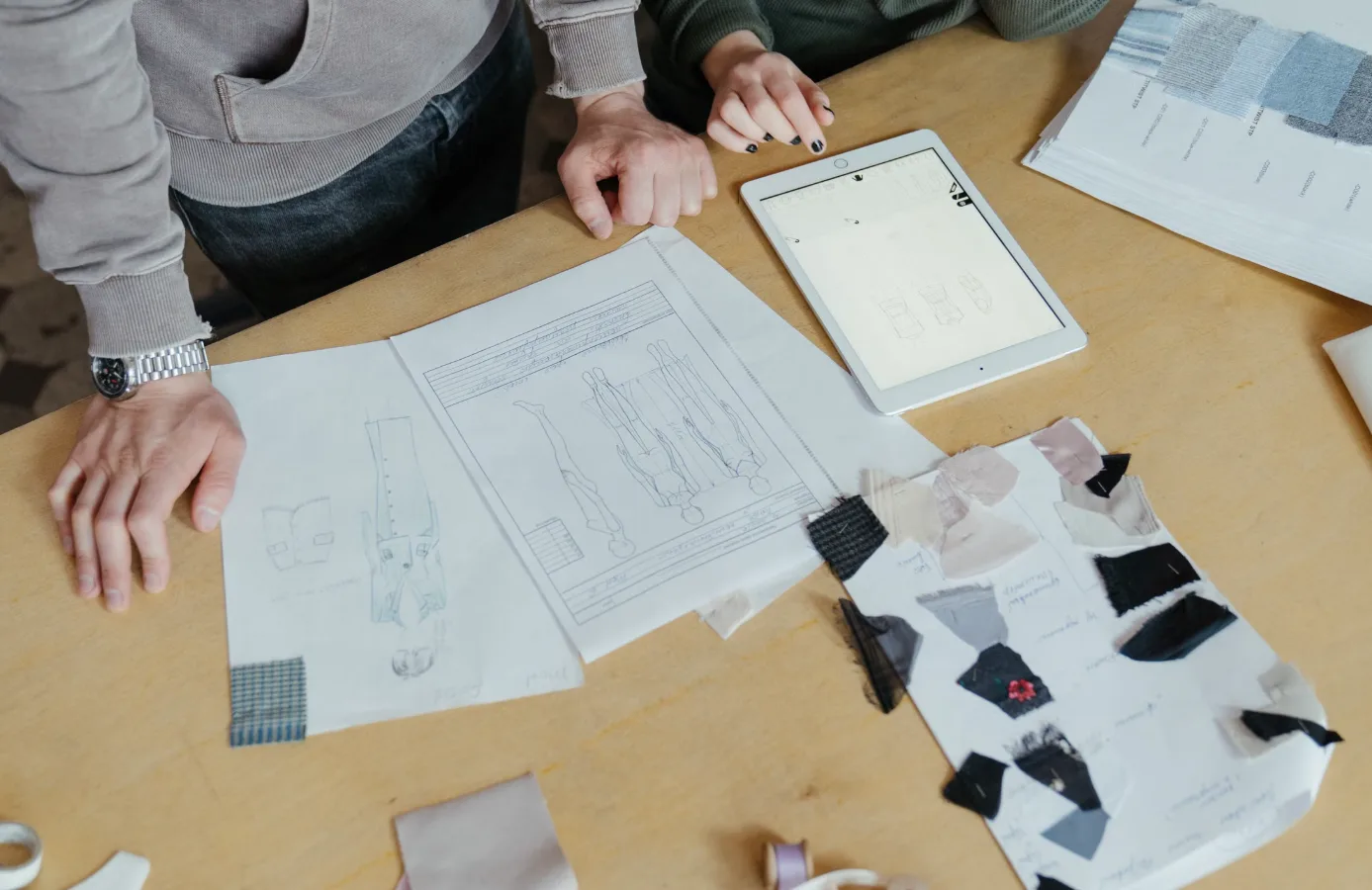
How Fabric Goes from a Sample to Bulk Production
First analyze the construction, hand feel, weight, and other aspects based on the original sample, then confirm the quality sample. Next, advance color samples and meter samples together through a trial order to make a Proto, turn the counter sample into an SMS to test the market, and only after the order is confirmed do we adjust the greige fabric and dye it for bulk production.
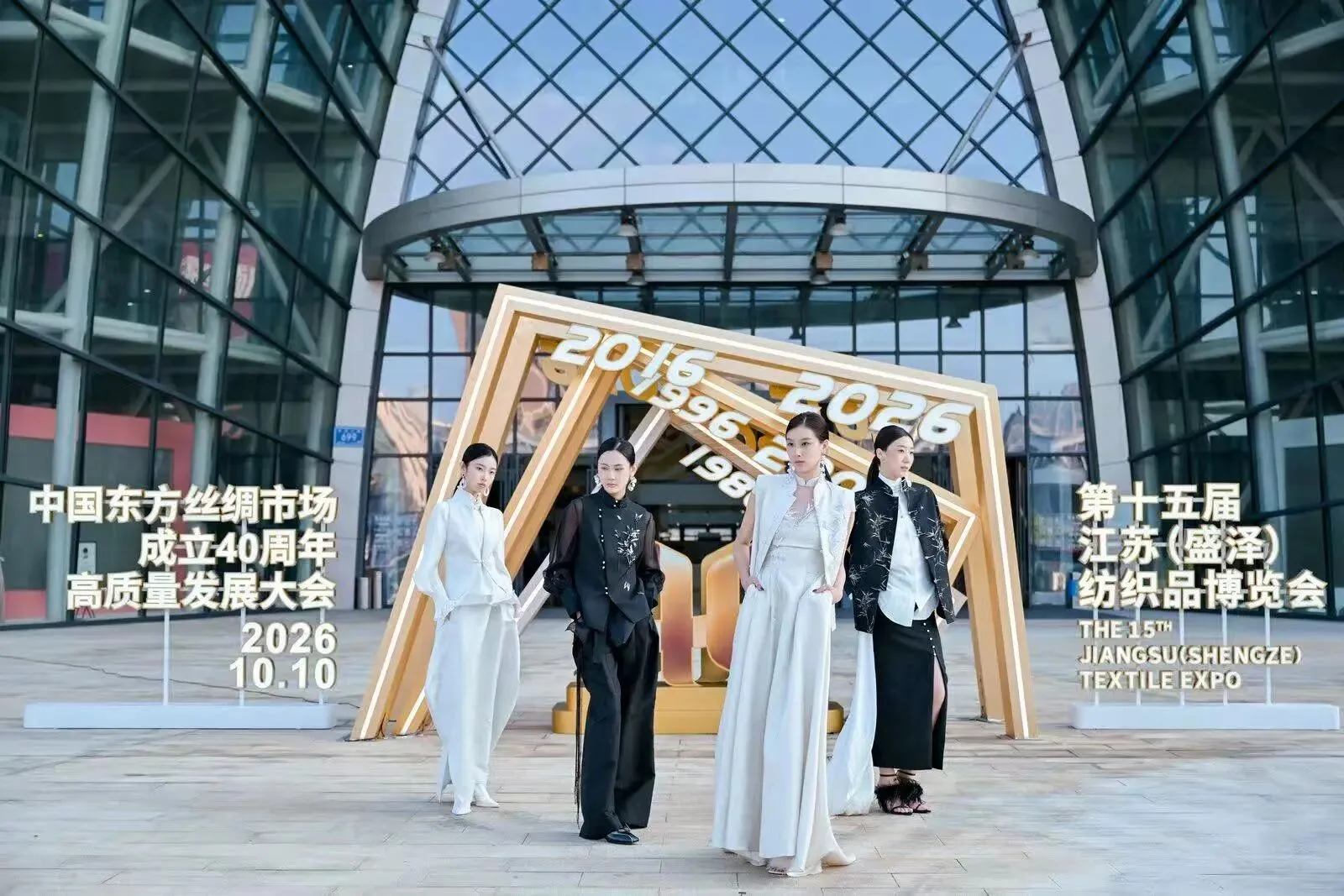
The 15th Jiangsu (Shengze) Textile Expo Concludes Successfully
The 15th Jiangsu (Shengze) Textile Expo has successfully concluded. Wujiang has formed a hundred-billion-level textile cluster, with vortex spinning capacity accounting for a quarter of the global total, and functional fabrics continuously making breakthroughs. For overseas fabric buyers, this expo showcases the complete industrial chain, new products, and supply-demand matching opportunities.